Source Used Double Decker Passenger Bus for Touring and City Routes
Explore 29 listings for a used double decker passenger bus suitable for commercial touring, city transit, and school transport. Compare specifications including seating capacity, engine displacement, and transmission types to find the right vehicle for your fleet needs; compare the available evidence and request quotations based on your requirements.
Key considerations
Products List


$5500.00 - $15900.00
Moq: 1

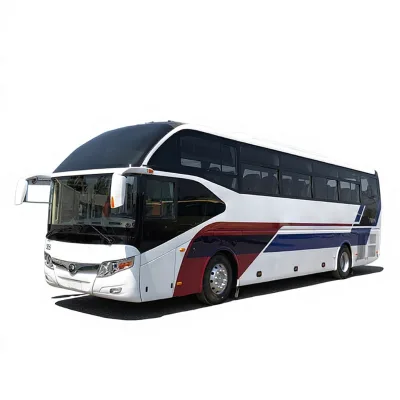
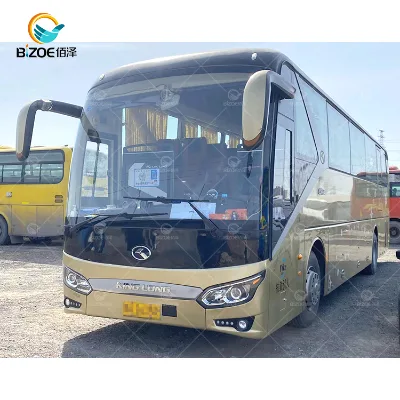
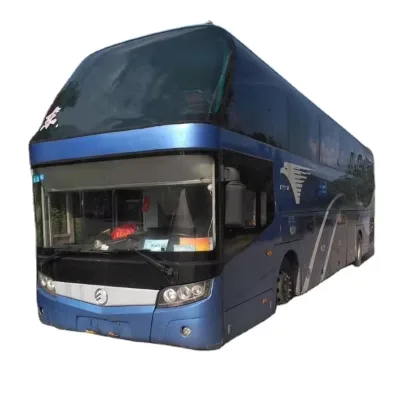
Comprehensive Sourcing Guide
Used Double Decker Passenger Bus Sourcing Guide
Procuring a used double decker passenger bus requires careful evaluation of the vehicle's structural integrity and operational history, as these assets often serve high-capacity transit routes or tourist circuits. The market presents a mix of single-deck and double-deck configurations, with specific listings indicating a structure designed for two levels to maximize passenger volume. Buyers must distinguish between models intended for commercial touring and those built for rigid urban transit, as the chassis and suspension systems differ significantly between these usage profiles.
Verification of the seating capacity is critical, as observed listings range from 31 seats to over 72 plus a driver, directly impacting revenue potential per trip. The physical dimensions of the bus, often cited around 12 meters in length with specific width and height constraints, dictate compatibility with local infrastructure and parking facilities. Sourcing agents should prioritize units where the seat count aligns with the intended route density to ensure optimal asset utilization and avoid under-capacity inefficiencies.
Product Scope and Observed Listing Signals
The available inventory includes a diverse range of models, such as the Cstar-U-Bus and various 6100-series chassis, reflecting a broad spectrum of manufacturing origins and design philosophies. While some units are explicitly labeled as double-decker buses, others in the same search results are single-deck coaches, necessitating a rigorous filter to isolate the correct vehicle type. The product names and model numbers serve as primary identifiers, but the structural description remains the definitive factor for confirming the double-deck configuration.
Listing signals indicate that customization is available for certain attributes, allowing buyers to tailor the interior layout or exterior color to specific branding requirements. However, the condition of these vehicles is uniformly listed as used, with service lives typically spanning three to six years before major overhauls are required. Buyers should scrutinize the mileage, which often falls between 60,000 and 100,000 kilometers, to gauge the remaining operational lifespan and anticipate immediate maintenance needs.
Technical Specifications to Verify
Technical due diligence must focus on the powertrain and transmission systems, as observed data shows a split between manual and automatic gearboxes alongside diesel and electric drive options. For diesel variants, displacement often exceeds 2.6 liters, with some heavy-duty engines surpassing 8 liters to handle the weight of a double-deck structure. The braking system is typically mechanical, requiring inspection of the wear on pads and drums to ensure compliance with safety standards for heavy passenger loads.
Electrical specifications are equally vital, particularly for newer electric models where battery capacity and charging times define operational viability. Some listings detail a rated power of 130 kW with a battery capacity around 350 kWh, requiring a recharge time of approximately 58 minutes for half an hour of operation. Buyers must verify the actual state of the battery health and the integrity of the drive motor, as these components represent the highest cost center for electric double-decker buses.
Compliance and Safety Documentation
Regulatory compliance is a non-negotiable aspect of sourcing, with emission standards ranging from Euro classifications to specific engine capacity requirements that vary by destination market. Documentation must confirm that the vehicle meets the local environmental regulations, as a Euro-compliant engine in one region may not be legal for operation in another without costly retrofits. The presence of ISO certifications, such as ISO 9001 or ISOCCC, provides a baseline assurance of the manufacturer's quality management systems, though it does not guarantee the condition of the specific used unit.
Safety features and structural integrity must be validated through independent inspection reports, as the double-deck design imposes unique stress loads on the chassis and roof. Buyers should request detailed records of any past accidents or structural repairs, as the safety of passengers on the upper deck is paramount. The steering position, typically left-hand drive in many listings, must match the traffic laws of the operating region to avoid legal impediments to registration and daily operation.
Cost Drivers and Commercial Terms
Pricing for used double-decker buses varies widely, with observed ranges extending from modest entry-level prices to six-figure sums depending on the model year, condition, and powertrain type. The cost is heavily influenced by the remaining service life and the specific configuration, such as low-floor accessibility or advanced intelligence systems like BRT or NBT integration. Buyers should anticipate that units with higher seat capacities and newer battery technologies will command a premium, reflecting their higher utility and lower immediate maintenance costs.
Commercial terms often include flexible packaging options, ranging from standard shipping containers to unboxed delivery, which can significantly impact logistics costs and insurance premiums. Minimum order quantities are generally low, often starting at a single unit, allowing for flexible procurement strategies without the need for large fleet commitments. Lead times and payment structures should be clarified early, as the international nature of the trade introduces variables related to shipping, customs duties, and currency exchange fluctuations.
Supplier Qualification and Quality Control
Supplier qualification requires a thorough vetting of the entity's history and their ability to provide transparent vehicle histories, as the market contains a mix of reputable dealers and less experienced brokers. Buyers should verify the supplier's location, with many listings originating from China, and assess their capacity to handle export documentation and logistics coordination. The absence of specific supplier names in general listings underscores the need for buyers to conduct their own background checks rather than relying solely on platform data.
Quality control protocols must be established before shipment, including third-party inspections to verify the mechanical condition, interior wear, and electronic system functionality. The "without package" or "standard" packing options listed indicate that the vehicle may arrive in a state requiring immediate preparation for road use, necessitating a pre-delivery inspection. Establishing a clear acceptance criteria based on the observed specifications, such as the 12000 kg weight limit or specific dimensions, ensures that the delivered asset matches the procurement requirements.
Long-Term Procurement Checks
Long-term viability depends on the availability of spare parts and the technical support infrastructure for the specific model and engine type selected. Buyers should investigate the supply chain for critical components like gearboxes, batteries, and body panels, as older models may face obsolescence issues that increase downtime and repair costs. The service life of three to six years suggests a need for a proactive maintenance schedule to extend the asset's operational window and protect the investment.
Future-proofing the procurement involves assessing the adaptability of the bus to changing regulations and market demands, such as the transition to zero-emission zones or new safety standards. Intelligence features like BRT or NBT systems may require software updates or hardware upgrades to remain compatible with modern transit management systems. Regular reviews of the vehicle's performance against the original specifications will help identify emerging issues before they escalate into major failures.
FAQs
What is the typical service life of a used double decker passenger bus?
The typical service life ranges from 3 to 6 years depending on maintenance and usage intensity. Buyers should verify the actual mileage, which often falls between 60,000 and 100,000 km, to assess remaining durability. Mechanical braking systems and diesel engines are common, requiring regular inspection of these core components to ensure safe operation for commercial or touring applications.
Can customization be applied to used double decker passenger buses?
Yes, customization is available for many used models to meet specific operational needs. Buyers can often request specific exterior colors or interior configurations to align with brand identity. This flexibility allows operators to adapt existing vehicles for school, coach, or city bus roles without the lead time associated with new manufacturing, ensuring faster deployment into service fleets.
What seating capacities are available for used double decker passenger buses?
Seating capacities vary significantly, ranging from smaller configurations around 21 seats to large bus formats exceeding 72 seats. Double-decker structures typically offer higher density, with some models supporting up to 60 or more passengers. Buyers should select the capacity that matches their route demand, ensuring compliance with local safety regulations while maximizing passenger throughput per trip.
Which emission standards apply to used double decker passenger buses?
Many used models comply with Euro emission standards, particularly those with engine capacities exceeding 8 liters. Diesel fuel remains the primary energy source for these heavy-duty vehicles. Buyers must verify the specific Euro rating against local environmental regulations to ensure legal operation, as older units may require additional filtration or operational restrictions in low-emission zones.
What is the standard packaging for exported used double decker passenger buses?
Packaging options typically include standard export crating or no package for direct shipping. Some units are shipped without additional packaging to reduce costs and handling time. Buyers should confirm the packing method with the supplier to ensure the vehicle arrives without damage, especially when transporting across long distances via sea freight from major manufacturing origins like China.